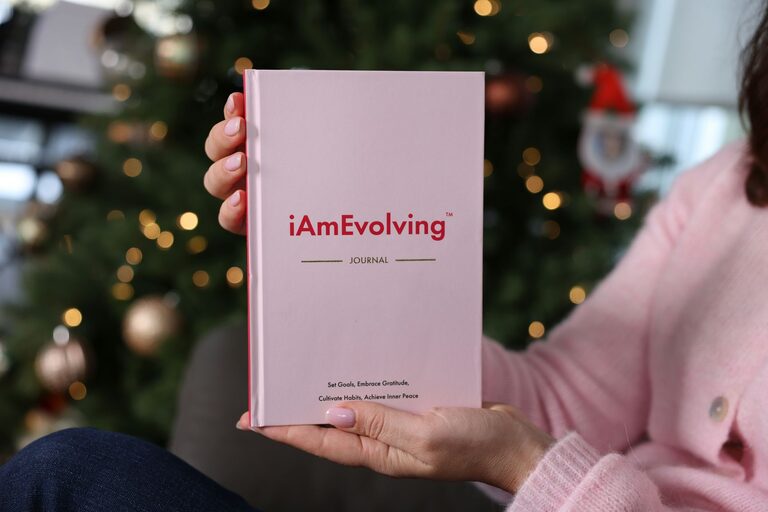

Journaling is a powerful tool that can help you gain clarity and improve your focus in everyday life. By putting your thoughts on paper, you create a space to organize your mind, process emotions, and set clear intentions. Whether you’re new to journaling or looking to deepen your practice, this guide will walk you through techniques and tips to make journaling work for you.
Why Journal for Clarity and Focus?
When life feels overwhelming or your thoughts are scattered, it’s hard to concentrate or make decisions. Journaling helps by:
– Clearing mental clutter: Writing down your thoughts gets them out of your head.
– Enhancing self-awareness: You notice patterns in your behavior and thinking.
– Prioritizing tasks and goals: You can break big ideas into achievable steps.
– Reducing stress: Journaling can provide a calming outlet.
– Boosting creativity: With a clearer mind, new ideas often emerge.
Getting Started: What You Need
All you really need is a notebook and a pen. You can also use digital apps if you prefer typing. Choose a method that feels comfortable and accessible.
– Pick a quiet spot where you won’t be disturbed.
– Set aside 10 to 20 minutes daily or a few times a week.
– Keep your journal handy so it’s easy to write when inspiration strikes.
Techniques to Journal for Clarity and Focus
Here are some effective journaling methods to try:
1. Morning Pages
Popularized by Julia Cameron’s The Artist’s Way, morning pages involve writing three pages of stream-of-consciousness first thing in the morning.
– Don’t worry about grammar or structure.
– Write whatever comes to mind.
– This clears mental clutter and prepares you for the day.
2. The Brain Dump
Use this technique when your mind feels overloaded.
– Write down every task, worry, idea, or random thought.
– Once everything is out, review your list.
– Highlight priorities and toss or defer less important items.
3. Goal Setting and Planning
Clarify what you want to achieve by dedicating journal entries to goals.
– Write your goals clearly and break them into smaller steps.
– Track your progress regularly.
– Reflect on what’s working and adjust as needed.
4. Question Prompts
Use questions to guide your journaling and explore your thoughts.
Examples:
– What is the most important thing I want to focus on today?
– What distractions are pulling me away?
– How do I feel about my current priorities?
– What can I do to improve my concentration?
5. Gratitude Journaling
Focusing on positive aspects can improve mental clarity by reducing stress.
– List 3-5 things you are grateful for each day.
– Reflect on how these positives influence your mood and focus.
Practical Tips for Staying Consistent
Maintaining a journaling habit takes effort, but these tips can help:
– Set a regular time: Journaling at the same time each day helps form a habit.
– Start small: Even writing a few sentences is valuable.
– Be honest: Your journal is your private space—write without judgment.
– Use prompts: When stuck, use questions or quotes to inspire writing.
– Review periodically: Look back at older entries to track growth and patterns.
Using Your Journal Beyond Writing
Your journal can be more than words on a page. You can:
– Add sketches or diagrams to represent ideas visually.
– Create to-do lists or mind maps.
– Use sticky notes or tabs for important entries.
– Combine journaling with meditation or deep breathing exercises.
Common Challenges and How to Overcome Them
– Feeling stuck: If you don’t know what to write, return to simple prompts or try a brain dump.
– Perfectionism: Let go of the need to write well—it’s about expression, not style.
– Lack of time: Even a few minutes can help; short bursts are better than none.
– Losing motivation: Remember your goals and how journaling has helped before.
Final Thoughts
Journaling for clarity and focus is a flexible practice you can adapt to your lifestyle and needs. With consistency and curiosity, it can become a valuable habit that brings calm and direction to your daily routine. Start with simple steps today, and watch as journaling helps clear your mind and sharpen your focus over time.
About the Author