
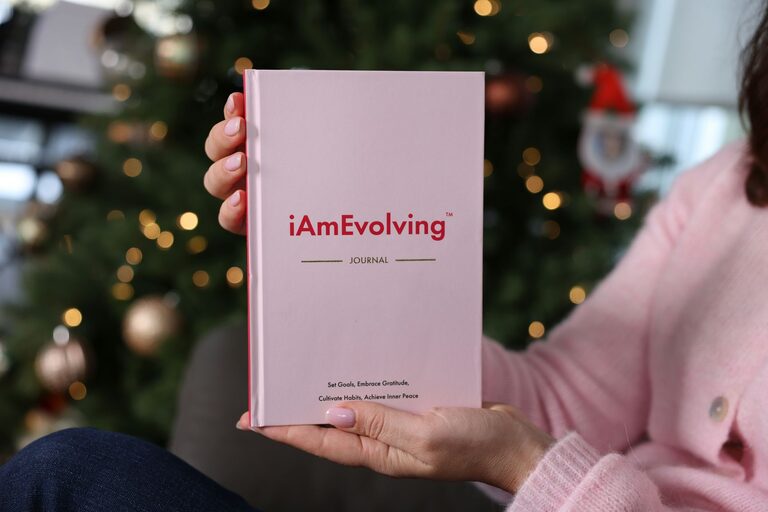
Starting a gratitude journal is a wonderful way to focus on the good things in life, reduce stress, and boost overall happiness. If you’ve never kept one before, it might seem a bit overwhelming or confusing. However, the process is simple and enjoyable once you get going.
In this post, we will walk you through everything you need to know to start a gratitude journal. From choosing the right journal to ideas on what to write, you’ll find practical tips to help you build a meaningful daily habit.
What Is a Gratitude Journal?
A gratitude journal is a personal diary where you regularly record things you are thankful for. It helps shift your attention to positive experiences, big or small. This practice encourages reflection on the good parts of your day and life, which can improve mood and perspective.
Benefits of Keeping a Gratitude Journal
Before diving in, here are some well-known advantages of maintaining a gratitude journal:
– Enhances mental well-being: Focusing on gratitude can reduce feelings of anxiety and depression.
– Improves sleep: People who practice gratitude often report better sleep quality.
– Boosts self-esteem: Recognizing your blessings helps increase confidence and reduce social comparisons.
– Encourages mindfulness: Writing about gratitude brings you into the present moment.
– Strengthens relationships: Expressing thanks can deepen bonds with friends and family.
Choosing Your Journal
The first step is to pick a journal that feels right for you. You can use:
– A physical notebook or diary with blank, lined, or dotted pages.
– A digital journal app on your phone, tablet, or computer.
– A simple document or note app if you prefer typing over handwriting.
Tips for Selecting Your Journal
– Comfort: Choose something easy and enjoyable to use daily.
– Size: Consider portability if you want to jot down entries on the go.
– Layout: Blank pages allow flexibility; lined pages offer structure.
– Design: Pick a style or color that motivates you to write.
Setting Up Your Gratitude Journal Habit
Consistency is key when starting a gratitude journal. Here are some strategies to make journaling a lasting habit:
1. Pick a Regular Time
Decide on a specific time each day to write your entries, such as:
– Morning, to set a positive tone for the day.
– Evening, to reflect on the day’s events.
– Anytime you need a mood boost or a break.
2. Start Small
Begin with just three things you’re thankful for each day. This keeps the task manageable and reduces pressure.
3. Keep It Simple
You don’t need long paragraphs; short sentences or bullet points work perfectly.
4. Create a Comfortable Space
Find a quiet, cozy spot where you feel relaxed to encourage regular journaling.
What to Write in Your Gratitude Journal
If you’re unsure what to include, here are some ideas:
– People in your life who support or inspire you.
– Positive experiences from the day, no matter how small.
– Personal strengths or talents you appreciate in yourself.
– Simple pleasures like a warm cup of tea, a sunny day, or a good book.
– Goals you are thankful for working towards or achieving.
– Acts of kindness you witnessed or received.
Examples
– “I’m grateful for my helpful coworker who made my project easier today.”
– “Thankful for the beautiful sunset I saw on my walk.”
– “Grateful for my patience during a busy day.”
Tips to Keep Your Gratitude Journal Fresh and Enjoyable
Vary Your Entries
Try including different types of gratitude, such as:
– People
– Situations
– Personal qualities
– Nature
– Moments of learning or growth
Use Prompts When Needed
If you’re stuck, prompts can help spark ideas:
– What made me smile today?
– What is something good that happened this week?
– Who am I grateful to have in my life?
Add Creativity
Incorporate drawings, photographs, or stickers to make journaling more engaging.
Reflect on Past Entries
Every once in a while, read back through previous entries to remind yourself of positive experiences.
Overcoming Common Challenges
Even with the best intentions, some days you might feel unmotivated or unsure what to write. Here’s how to stay on track:
– Don’t aim for perfection: Some days your entry might be brief or repetitive, and that’s okay.
– Set reminders: Use phone notifications or alarms to prompt journaling time.
– Pair journaling with another habit: For example, write after your morning coffee or before bedtime.
– Be kind to yourself: Gratitude journaling is a personal practice, not a task to dread.
Final Thoughts
Starting a gratitude journal is a simple yet powerful step toward cultivating a more positive outlook in everyday life. Remember, the goal isn’t to ignore challenges but to balance them by acknowledging the good moments.
By dedicating just a few minutes each day to writing down what you appreciate, you can nurture mindfulness, happiness, and a deeper sense of contentment. Grab a journal that inspires you, pick a time to write, and enjoy the journey toward a more grateful life.
About the Author