Creating a relaxing home workspace is essential for maintaining focus, reducing stress, and boosting productivity. Whether you work remotely full-time or occasionally need a dedicated area for tasks, a calm and organized environment can make all the difference. In this post, we’ll explore practical tips and ideas to help you design a workspace that promotes relaxation and efficiency.
Why a Relaxing Workspace Matters
A cluttered, noisy, or uncomfortable workspace can quickly lead to distraction and fatigue. On the other hand, a thoughtfully arranged, peaceful environment helps you stay motivated, enhances creativity, and supports mental well-being. Taking the time to create a relaxing workspace is an investment in both your comfort and your work quality.
Choosing the Right Location
Find a Quiet Spot
If possible, set up your workspace in a quiet area of your home away from high-traffic zones like the kitchen or living room. This helps minimize interruptions and noise.
Maximize Natural Light
Place your desk near a window to take advantage of natural light, which can improve mood and reduce eye strain. If natural light is limited, consider soft, warm lighting instead of harsh overhead bulbs.
Declutter and Organize
Keep Essentials Handy
Limit your desk items to essential tools like your computer, notebook, and a few personal items. This helps maintain focus and keeps your workspace tidy.
Use Storage Solutions
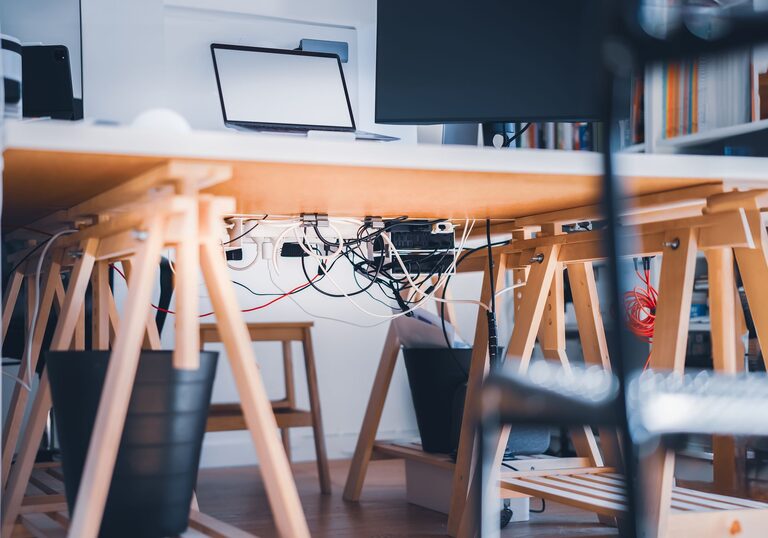
Incorporate shelves, drawers, or organizers to store supplies neatly. Labeling containers or using baskets can make items easy to find while reducing visual clutter.
Choose Comfortable and Functional Furniture
Invest in an Ergonomic Chair
A comfortable chair with proper back support encourages good posture and reduces fatigue during long work sessions.
Opt for a Suitable Desk
Select a desk with enough surface area for your work needs without overcrowding. Adjustable desks that allow sitting and standing can further enhance comfort.
Add Soothing Elements
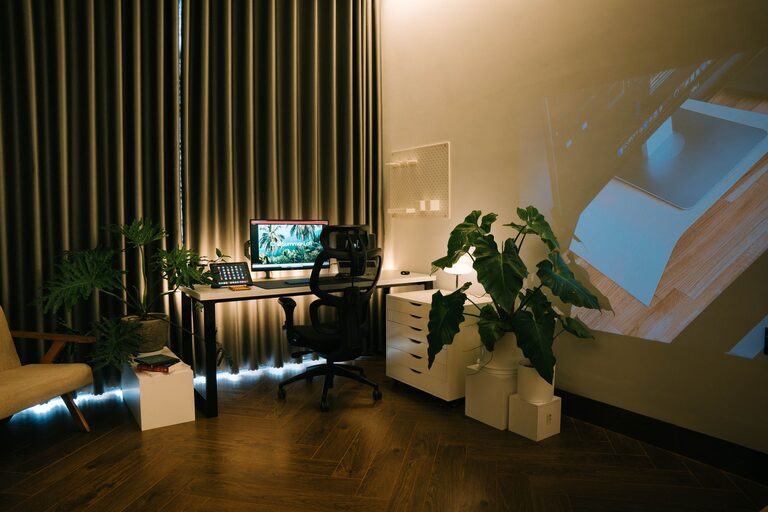
Incorporate Plants
Houseplants improve air quality and add a calming natural touch. Easy-to-care-for plants like succulents or pothos are great options for busy workspaces.
Use Calming Colors
Soft, neutral colors such as light blues, greens, or earth tones help create a peaceful atmosphere. Consider painting walls or adding decorative accents in these shades.
Minimize Distractions
Manage Electronics
Turn off unnecessary notifications on your phone or computer to avoid constant interruptions. Use headphones or white noise apps to block out background sounds.
Create a Routine
Establish regular work hours and breaks to maintain focus and prevent burnout. Inform family members or housemates of your schedule to minimize disruptions.
Personalize Your Space Thoughtfully
Add Meaningful Decor
Incorporate a few personal items like photos or artwork that inspire you without overwhelming the space.
Use Scent and Sound
Consider using essential oil diffusers with calming scents like lavender or playing soft background music to enhance relaxation.
Maintain Your Workspace
Regular Cleaning
Take a few minutes each day to tidy your desk and organize supplies. A clean workspace supports a clear mind.
Reassess Periodically
Periodically review your setup to ensure it continues to meet your needs. Make adjustments as your work habits or preferences change.
—
Creating a relaxing home workspace doesn’t require a large budget or complex redesign. By focusing on comfort, organization, and personal touches, you can build an environment that supports both your productivity and well-being. Start with small changes today, and enjoy the difference a calm workspace can make.
About the Author